Electronic Warfare Specialist
Skip to section:
About the role Career progression and training Salary and benefits Entry requirementsLooking for and identifying electronic signals passing through the atmosphere is a specialised role. We will train you to become a master of this technical role.
- ServiceNavy
- SpecialisationIntelligence, IT and Communications
- LocationDevonport
-
Starting Trade Training$64,177
About the role
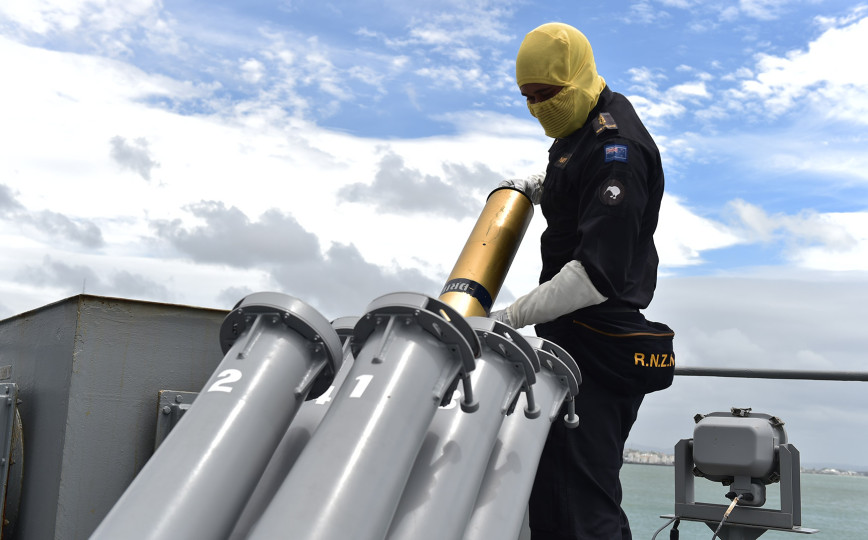
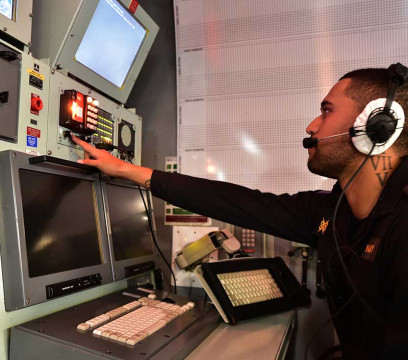
As an Electronic Warfare Specialist, you are a key component of the ship's war fighting team. An Electronic Warfare Specialist's primary war fighting role is to identify and defend against anti-ship missiles. You will be trained to have intimate knowledge of ships, aircraft, and their associated weapons and radars. Additionally, Electronic Warfare Specialists provide self-defence in a war-fighting capacity and assist in early warning of potential threats against the ship. Electronic Warfare Specialists must be able to gain and maintain a higher level security clearance as your day-to-day work is highly sensitive.
All Electronic Warfare Specialists complete demanding training in technical analysis and equipment usage. The day-to-day tasks are real challenges that offer great opportunities for high achievers.
Electronic Warfare Specialists are able to understand and meet the strict security constraints that surround this type of work, and are also able to present information clearly and concisely to those in command, giving them an overall picture of what is happening from the information collected and analysed.
Job on base
When Electronic Warfare Specialists are not deployed they will work in the Naval Operations Support Unit which is located at Devonport Naval Base in Auckland. In addition to this Electronic Warfare Specialists may be required to take up positions in the Defence Headquarters or Joint Forces Headquarters, or the Joint Electronic Warfare Support Facility which are located in the Wellington region.
Job on deployment
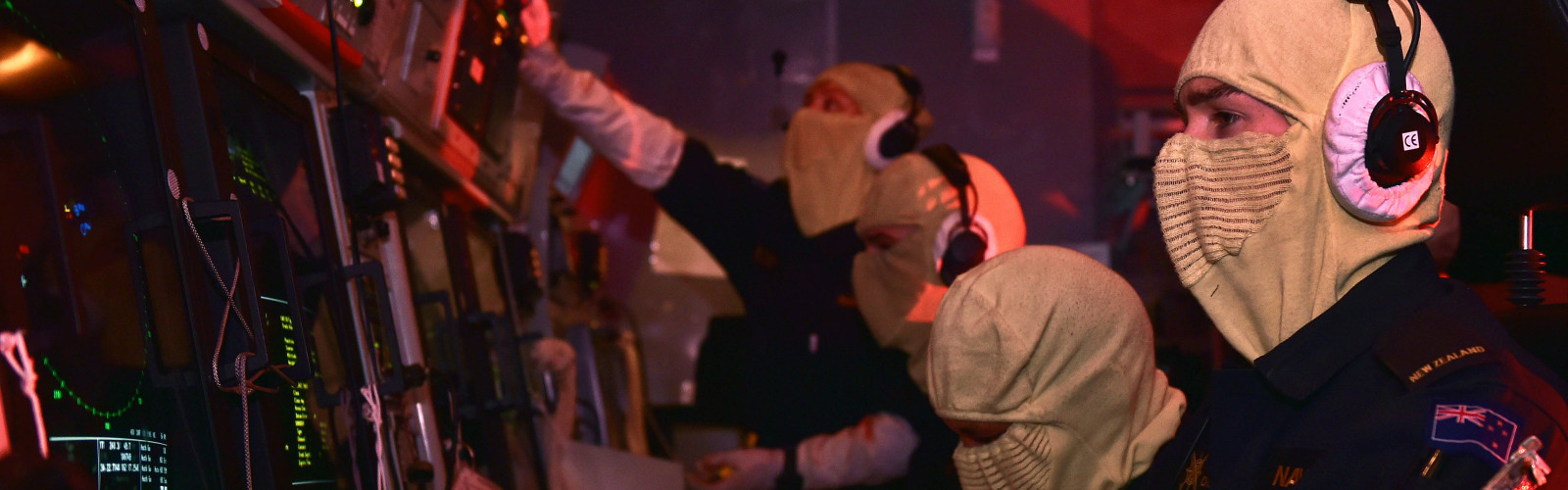
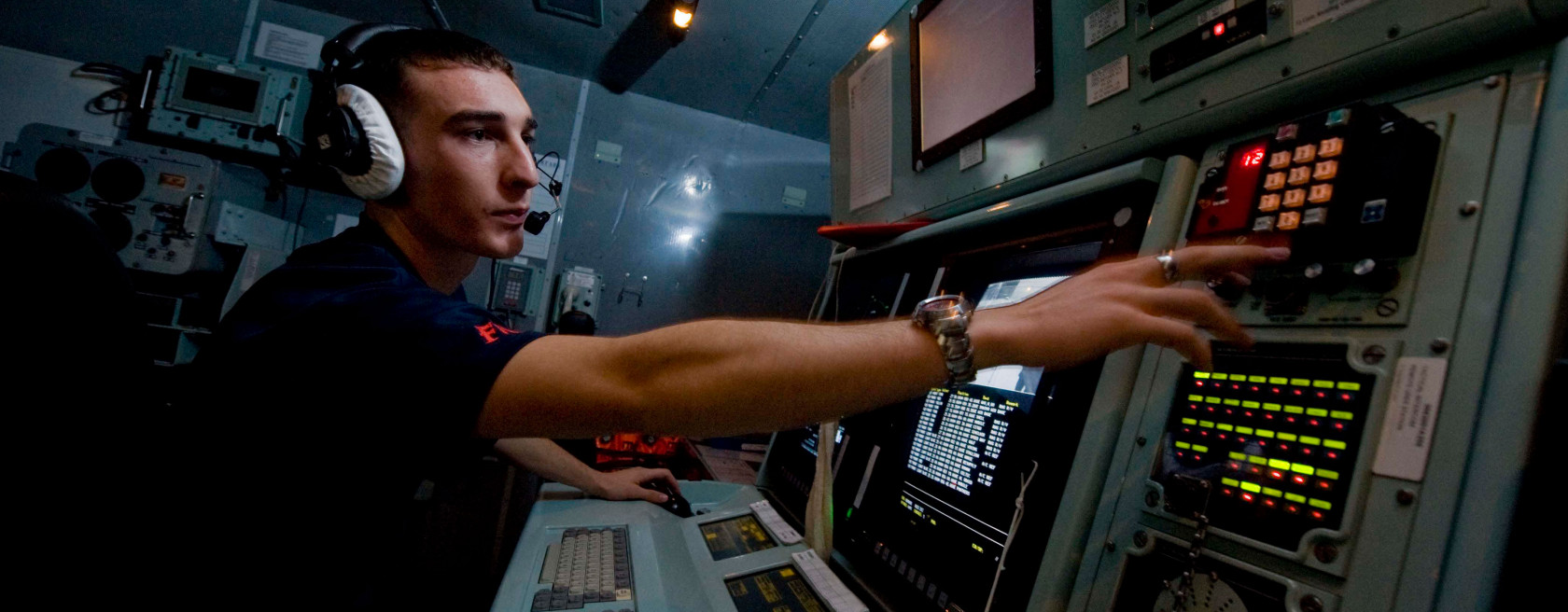
Electronic Warfare Specialists at sea primarily work in Defence Watches intercepting radar emissions and identifying potential threats. Electronic Warfare Specialists provide the ship with early warning and situational awareness so the Command Team can make appropriate decisions at the tactical level. In addition to the primary duties of an Electronic Warfare Specialist, sailors onboard HMNZ Ships are required to perform general tasks, anytime and anywhere to assist with the functioning of the ship. The completion of overnight duties in port is a role performed by all sailors, including Electronic Warfare Specialists, on a rotational basis.
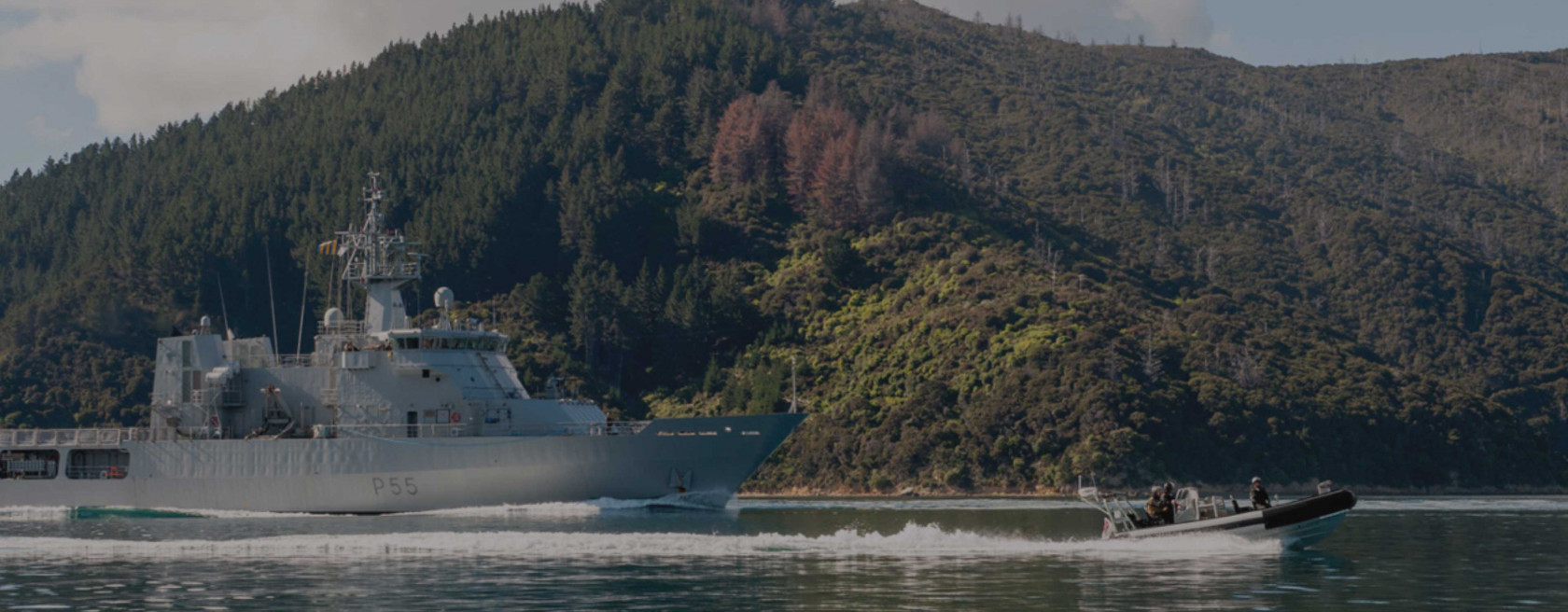
Electronic Warfare Specialists are primarily employed on the ANZAC Class ships. However Electronic Warfare Specialists will deploy on the MRV and OPVs if there is an operational need to do so. There are also opportunities to deploy on one of the NZDF operational missions overseas or undertake a posting overseas that will allow you to enhance your tradecraft.
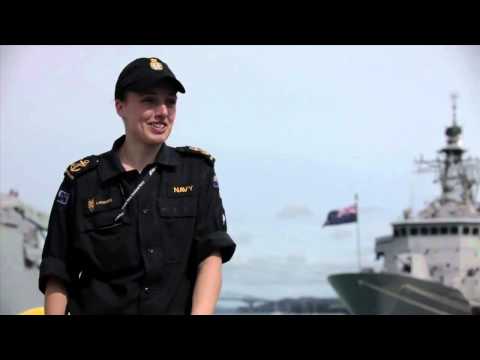
Going to so many different places thereʻs so much opportunity out there. If you’re the type of person you can definitely jump in at any chance you get – that’s the reason I joined.
Jeanette Landers
Career progression and training
Career Progression
Basic Training
Job Training
Ongoing Training
As soon as basic and specialist training is complete, Electronic Warfare Specialists usually post to the Naval Operations Support Unit to consolidate the skills learnt and work towards your promotion to Able Electronic Warfare Specialist. When at sea, the Operations Room is where the operations/exercises are co-ordinated. Electronic Warfare Specialists have been predominantly employed on both the Royal New Zealand Navy ANZAC Ships. With the introduction of the Project Protector Fleet (i.e. Multi Role Vessel, Off Shore Patrol Vessels and Inshore Patrol Vessels) Electronic Warfare Specialist personnel will be required to augment these ships in order to enhance the ships Indications and Warnings and Force Protection. In addition, with the specialist training that personnel now receive, there are opportunities for personnel to work in locations around New Zealand and overseas.
Upon successful enlistment into the Navy you will be posted to Devonport, Auckland. Here you will do 16 weeks of basic military training to find out if you have what it takes to be in the Navy, and learn various subjects including:
- Teamwork and support
- Naval history and customs
- Drill and parades
- Core mariner skills and weapons training
- First aid and firefighting
- Physical fitness
- Self-discipline
On completion of BCT, an Ordinary Electronic Warfare Specialist (OEWS) will undergo training at the Maritime Electronic Warfare School for 16 weeks. During this time an OEWS will complete training on sophisticated Command and Control Systems, Technical Radar Theory and Warfare Theory.
All sailors are required to complete damage control (DC) training. The three main components of DC are fire fighting, flooding and toxic gas drills. Seamanship, sea survival, rifle training are also mandatory to be an effective and safe member of the ships company.
Further courses, promotions and training opportunities are available throughout your career as are opportunities to deploy on Peacekeeping missions and overseas deployments.
Salary and benefits
Careers in the Navy are well-rewarded, as well as being diverse and exciting. As you become more experienced and move up through the ranks, gaining additional skills and qualifications, you will see your salary rise accordingly.
$50,597
Under Initial Training
$64,177
Starting Trade Training
$122,331
Future Potential Earnings
Figures updated on July 1st 2023
Benefits and allowances
Earn a competitive salary while training or learning your trade, along with additional allowances for time spent in the field, at sea, overseas, or deployed on operations.
In addition to salary and allowances, other benefits of joining the New Zealand Defence Force include:
Access to your Service marae or tūrangawaewae
Sponsored tertiary study programmes at all levels
Free access to gyms and swimming pools on camp and bases
Opportunities to travel
Free and subsidised medical and dental care
Subsidised food and accomodation on camps and bases
Free and subsidised insurance cover
Help to buy a home and save for retirement
Entry requirements
Basics
Education
Fitness and Medical
Citizenship
Period of Service
- You must be 18 years old upon completion of recruit course.
- You must have been a NZ Citizen for a minimum of 10 years.
- Meet the citizenship & security requirements to gain TSV security clearance for this trade.
- You must pass a full Psychological Assessment.
- Complete a 10-year background history check that can be checked with the New Zealand authorities to obtain high level security clearance.
3 years secondary school. Note, qualifications may be used to assess trade suitability.
- You must be medically fit for service.
- You must meet the minimum entry fitness standards.
- Colour perception requirements may apply.
There are strict citizenship and security requirements to gain the required TSV security clearance for this trade, including having been a New Zealand citizen for at least 10 years.
Find out if you’re eligible here.
There may be a return of service period for this trade.
Please contact our 0800 number or talk to your Candidate Experience Facilitator for more information.
Ready to start your Navy career?
Other jobs you might like
You can also browse jobs by specialisation to narrow down your search.