
Combat Engineer
Skip to section:
About the role Career progression and training Salary and benefits Entry requirementsWith the motto of 'Ubique' meaning 'everywhere', military engineering is a varied and exciting trade. It includes bridge building, small boat handling and explosives handling among many skills.
- ServiceArmy
- SpecialisationEngineering and Technical Trades
- LocationLinton, Burnham
-
Starting Trade Training$64,177
About the role
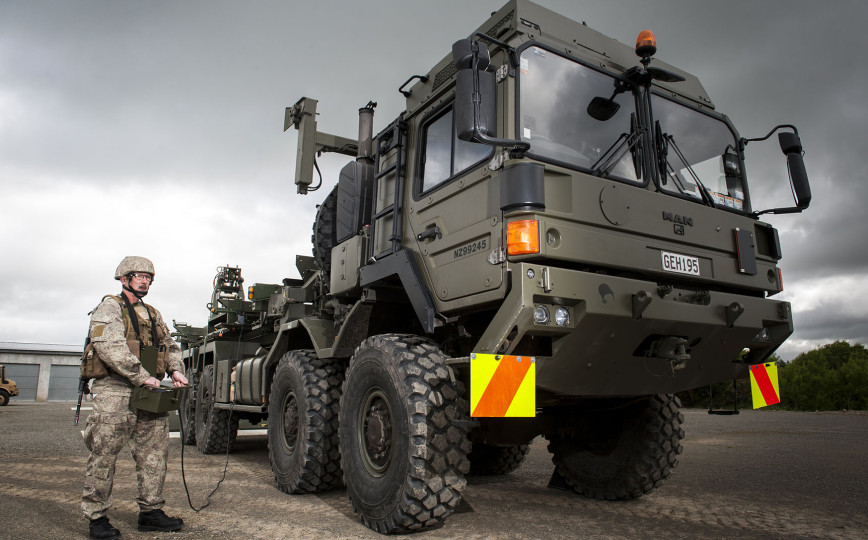
The primary role of a Combat Engineer is varied and exciting. Your purpose is to maintain the Army’s ability to move and manoeuvre on the battlefield without interference from hostile forces.
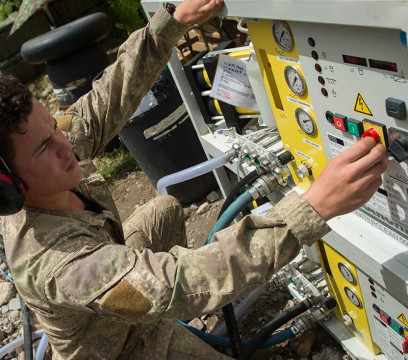
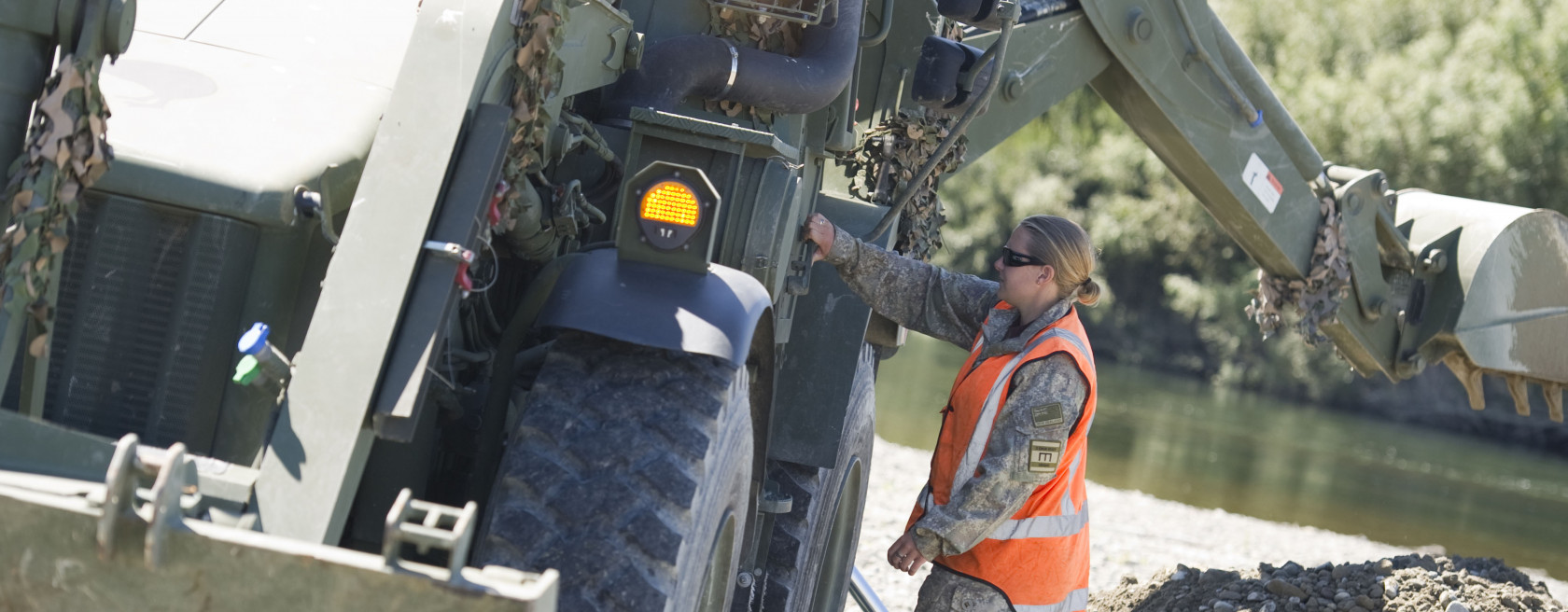
You will provide the Army with combat engineering support and be skilled in the areas of explosives, bridge construction and demolition, field surveying, mine clearance, booby traps, explosives search, boating, water supply, tree felling, sawmill operation, minor construction, rigging and small engines.
Job on base
As a Combat Engineer, your time spent on camp will consist of continuous training with the Army’s latest equipment. You will head out on exercises throughout New Zealand practicing combat engineering skills that will help the Army move effectively around the battlefield.
While not performing the primary roles and duties of a Combat Engineer, your secondary role will be as Infantry (Rifleman); as such you will also continue your soldier training including weapons, medical and communications training.
Job on deployment
When deployed as a Combat Engineer you will have the opportunity to put to use the skills you have learnt throughout your training, these include:
- Demining and mine awareness education
- Construction of field defences
- Gap crossing for Army assets
- Demolition
A key part of a Combat Engineer’s role on deployment is the concept of winning resources – taking a resource and making it usable for Army operations e.g. the construction of temporary roads and runways from existing materials.
Overseas RNZE personnel can be found in small contingents around the globe. Places they have previously been deployed include Antarctica, Mozambique, USA, Australia, East Timor, South Pacific Islands, Bosnia and Iraq.
Career progression and training
Basic Training
Job Training
Upon successful enlistment into the Army you will be posted to Waiouru Army base. Here you will do 16 weeks of basic military training to find out if you have what it takes to be in the Army, and learn various subjects including:
- Organisation and Administration
- Army Customs and Protocol
- Drill and Parades
- Military Field Skills and Weapon Training
- First Aid
- Physical Fitness
BASIC COMBAT ENGINEER COURSE
This is an eight week course held at the School of Military Engineering, Linton Military Camp. This is the first course conducted for most trades within the RNZE. It introduces you to the combat side of being an engineer before you undertake your specific trade. The course covers the basics of field engineering including bridging, water supply, explosives, field defences, obstacles, booby traps, boating and other subjects. After the course, you will have a good understanding of field engineering and also be qualified as an Army (explosives) Demolition Handler.
FIELD ENGINEER PROGRESSION COURSE
After completing the basic Combat Engineer Course you will attend short courses that deliver specialist skills training and qualifications in disciplines such as Royal NZ Engineering Engine Hands (small motor maintenance and servicing), Search, First Air and Rigid Hull Boat course. There is a host of other specialist training courses during the initial two or three years including support to Special Operations Forces, Explosive Methods of Entry and Explosive Detection Dog Handlers; some of these are aligned with the NZQA standards which means they are industry recognised. Combat Engineers may study towards higher educational qualifications or extramural studies.
Salary and benefits
Careers in the Army are well-rewarded, diverse and exciting. As you become more experienced and move up through the ranks, gaining additional skills and qualifications, your salary will rise accordingly.
$50,597
Under Initial Training
$64,177
Starting Trade Training
$129,061
Future Potential Earnings
Figures updated on July 1st 2023
Benefits and allowances
Earn a competitive salary while training or learning your trade, along with additional allowances for time spent in the field, at sea, overseas, or deployed on operations.
In addition to salary and allowances, other benefits of joining the New Zealand Defence Force include:
Access to your Service marae or tūrangawaewae
Sponsored tertiary study programmes at all levels
Free access to gyms and swimming pools on camp and bases
Opportunities to travel
Free and subsidised medical and dental care
Subsidised food and accomodation on camps and bases
Free and subsidised insurance cover
Help to buy a home and save for retirement
Entry requirements
Basics
Education
Fitness and Medical
Citizenship
Period of Service
- You must be at least 17 years of age
- Meet the citizenship and security requirements to gain CV security clearance for this trade
3 years secondary school.
Note, that qualifications may be used to assess trade suitability.
- You must be medically fit for service.
- Colour perception restrictions may apply.
There are strict citizenship and security requirements to gain the required CV security clearance for this trade.
Find out if you’re eligible here.
Depending on which higher qualifications you choose to undertake, the return of service can be up to two years.
Training New Zealand Certificate of Quarry Shotfirer Course 24 months.
New Zealand Certificate of Quarry Operations Manager Course 24 months.

Ready to start your Army career?
Other jobs you might like
You can also browse jobs by specialisation to narrow down your search.
Applications Open