Ground Support Equipment Technician
Skip to section:
About the role Career progression and training Salary and benefits Entry requirementsGood with your hands and have an interest in motor vehicles and general engineering? As a Ground Support Equipment (GSE) Technician, you’ll have a hands-on role in maintaining a wide range of specialist vehicles, and aviation and field support equipment.
- ServiceAir Force
- SpecialisationEngineering and Technical Trades
- LocationWhenuapai, Woodbourne, Ohakea
-
Starting Trade Training$64,177
About the role
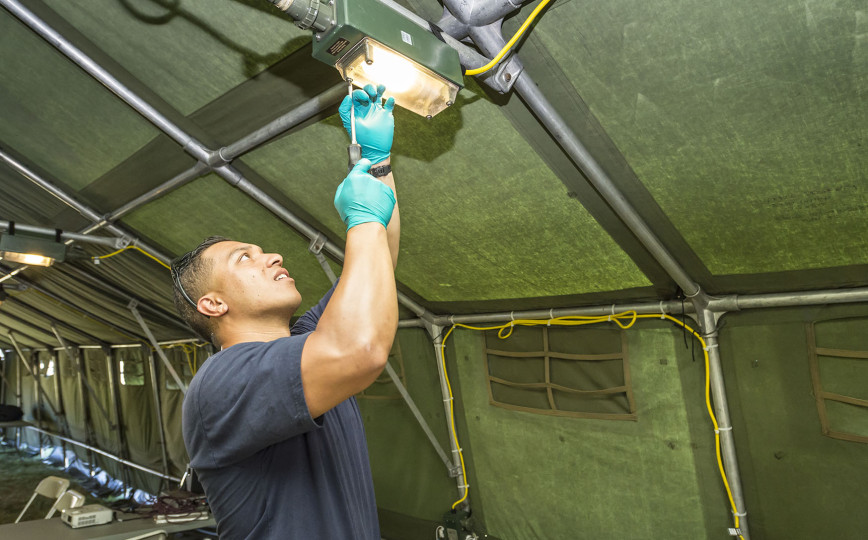
As a GSE Technician you’ll be a member of the ground crew, responsible for maintaining the ground-based equipment required to support military air operations, including keeping a tented camp on overseas operations running. Your duties will include the routine maintenance and repair of a large range of specialist military equipment.
Job on base
VEHICLE MAINTENANCE
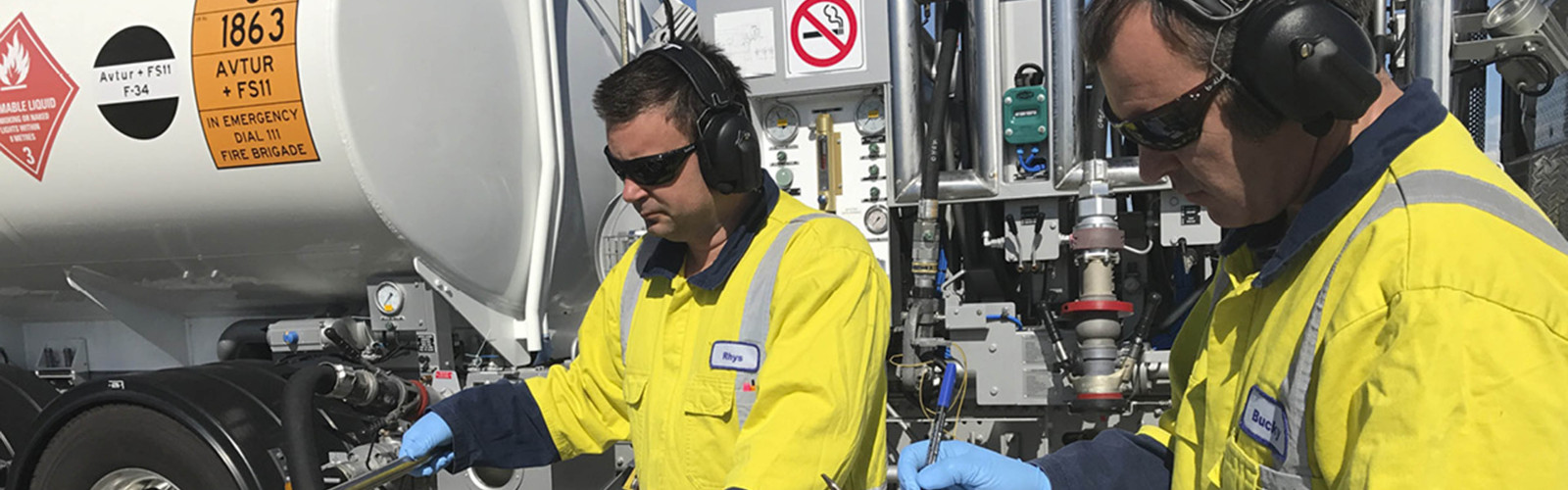
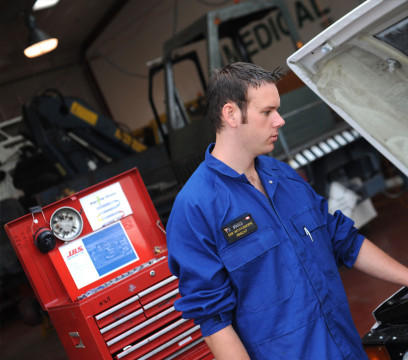
GSE Technicians are responsible for the repair and maintenance of all of the Air Force’s specialist vehicles. You’ll be involved in the daily maintenance, fault diagnosis and rectification of a wide range of vehicles, including military aircraft loaders, aircraft tractors, refuelling and airport crash/fire trucks.
GROUND SUPPORT EQUIPMENT
Aircraft ground support equipment encompasses all equipment required to carry out aircraft maintenance activities in support of military flying operations. This equipment typically includes ground power units, hydraulic machines, and lifting equipment.
REFUELLING EQUIPMENT
GSE Technicians maintain and repair all of the Air Force’s aviation refuelling equipment to international standards. This equipment includes deployable fuel installations that hold hundreds of thousands of litres of aviation fuel for refuelling military aircraft on operations.
Job on deployment
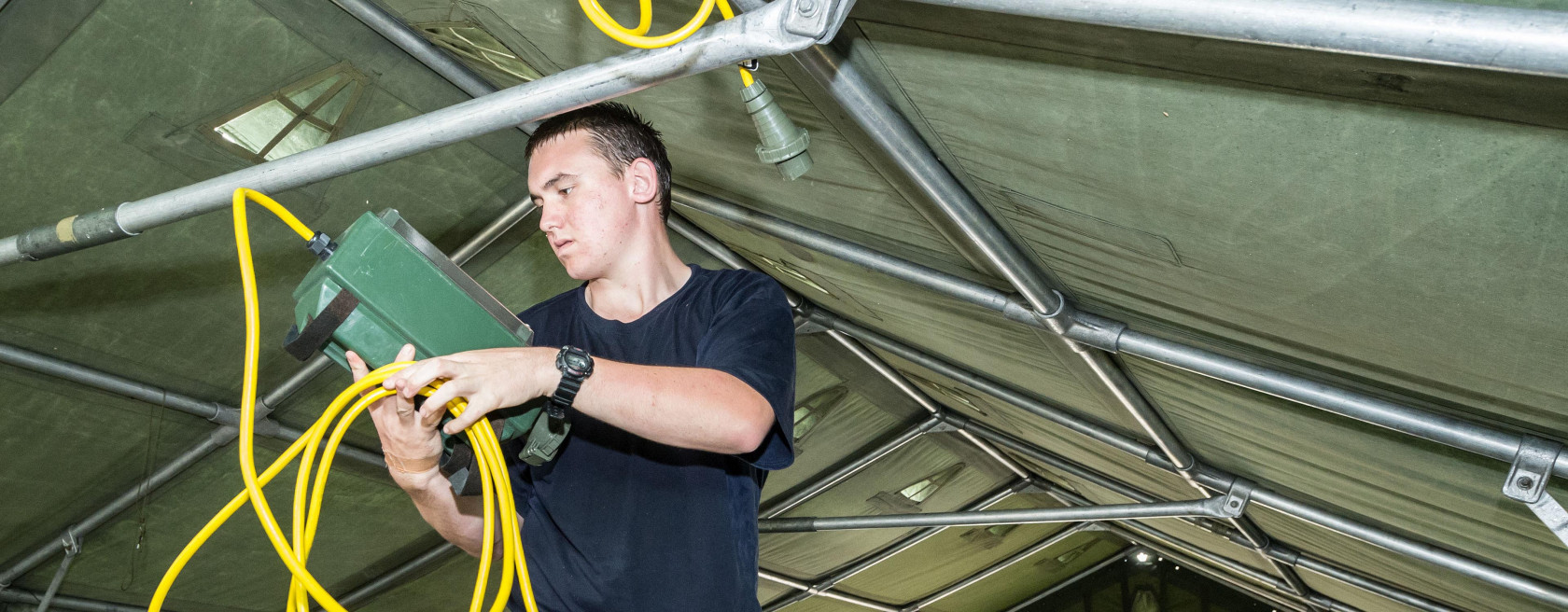
Our aircraft deploy overseas in remote locations and, when they do they need Ground Support Equipment to continue to operate. A deployed camp also needs equipment such as generators, electricity distribution, and water treatment equipment to function. As a GSE technician you will serve overseas to maintain this equipment on site. This is a crucial, hands-on role that supports military air operations, and provides great experiences at home and abroad.
Career progression and training
Career progression
Basic Training
Trade Training
Ongoing Training
Specialist Training
As you gain qualifications and experience you’ll be given greater responsibilities for managing the maintenance of the equipment the GSE trade services. As a senior GSE Technician you’ll be required to perform military command and leadership duties as a team leader.
Team leaders are responsible for the personnel under their command, including the conduct of personnel performance reports, mentoring, personal development and maintaining discipline. With substantial trade knowledge and experience you will be required to help train, assess and develop junior GSE Technicians.
(12 weeks) Location: RNZAF Base Woodbourne
Upon successful enlistment into the Air Force you will be posted to RNZAF Base Woodbourne (near Blenheim) for your Recruit Course. Here you will do 12 weeks of basic military training to find out if you’ve got what it takes to be in the Air Force, and learn various subjects including:
- Organisation and Administration
- RNZAF Customs and Protocol
- Drill and Parades
- Military Field Skills and Weapon Training
- First Aid, and Search and Rescue Techniques
- Physical Fitness
- Teamwork and Self Discipline
ENGINEERING FUNDAMENTALS COURSE
(17 weeks) Location: RNZAF Base Woodbourne
After Recruit Course you will attend this full-time course which includes:
- Personal Qualities and Attitudinal Expectations in the Workplace
- Workplace Safety
- Engineering Trade Science and Administration
- Engineering Tooling and Processes
- Maintenance Practices
This course is a requirement for all technical trades in the RNZAF, and sets you up for your career as a technician in the military aviation industry.
PRIMARY TRADE TRAINING
On completion of the Engineering Foundation Course you will attend a short course to commence your skills in technical administration and the safe use of fuels, oils and lubricants. You will then start trade training of up to 12 months at Woodbourne before being posted to an operational base (Whenuapai or Ohakea). This takes the form of an apprenticeship towards the NZQA-accredited Level Four New Zealand Certificate in Automotive Engineering (NZCAE) under the Motor Industry Training Organisation (MITO) scheme. This takes around three and one half years to complete and includes:
- Distance learning, where you learn the theory aspects of Automotive Engineering
- On-the-job learning, where you learn by actually doing the work
- Practical assessments, to check your competency to complete the work to aeronautical standards
- Courses at tertiary institutions
As well as NZCAE, you'll also achieve all classes of driving licences required for the specialist vehicles you will maintain (up to and including Class 5), plus military driving permits (for military vehicles), and additional training targeted at specific aspects of maintaining aeronautical and military deployed support equipment.
POSTGRADUATE TRAINING
After graduating as a GSE Technician you will undertake postgraduate training in the maintenance of aeronautical ground support equipment, aviation refuelling equipment, and a wide range of field equipment. These are competency-based training packages carried out in the workplace, and includes the Air BP Aviation Fuel Training scheme, an internationally recognised qualification, water treatment systems, and camp wiring (generators, lights, etc).
There are a number of other postgraduate courses available that are undertaken on an as-required basis for career progression, or to meet other RNZAF requirements.
Salary and benefits
Careers in the Air Force are well-rewarded, as well as being diverse and exciting. As you become more experienced and move up through the ranks, gaining additional skills and qualifications, you will see your salary rise accordingly.
$50,597
Under Initial Training
$64,177
Starting Trade Training
$119,462
Future Potential Earnings
Figures updated on July 1st 2023
Benefits and allowances
There are many additional benefits to being in the Defence Force, that will make your money go further.
For example, on top of your basic salary you can expect ‘Military Factor’. This provides you with significant extra financial rewards because of the commitment you’ve made to serve your country.
Access to your Service marae or tūrangawaewae
Sponsored tertiary study programmes at all levels
Free access to gyms and swimming pools on camp and bases
Opportunities to travel
Free and subsidised medical and dental care
Subsidised food and accomodation on camps and bases
Free and subsidised insurance cover
Help to buy a home and save for retirement
Entry requirements
Basics
Education
Fitness and medical
Citizenship
Period of Service
- You must be at least 17 years of age.
- Meet the citizenship & security requirements to gain CV security clearance for this trade.
- Class 1 Restricted driver licence preferred but not essential.
Minimum: 3 years secondary school. Note, qualifications may be used to assess trade suitability.
To be competitive: NCEA Level 2.
Find out more about the NCEA levels and certificate requirements
- You must be medically fit for service.
- Colour perception restrictions may apply.
There are strict citizenship and security requirements to gain the required SV security clearance for this trade.
Find out if you’re eligible here.
Your training is some of the most thorough and advanced in the world. On graduation as a GSE technician, you’ll be contractually obliged to spend another 24 months in the Air Force.
Ready to start your Air Force career?
Other jobs you might like
You can also browse jobs by specialisation to narrow down your search.
Closing Soon
Closing Soon